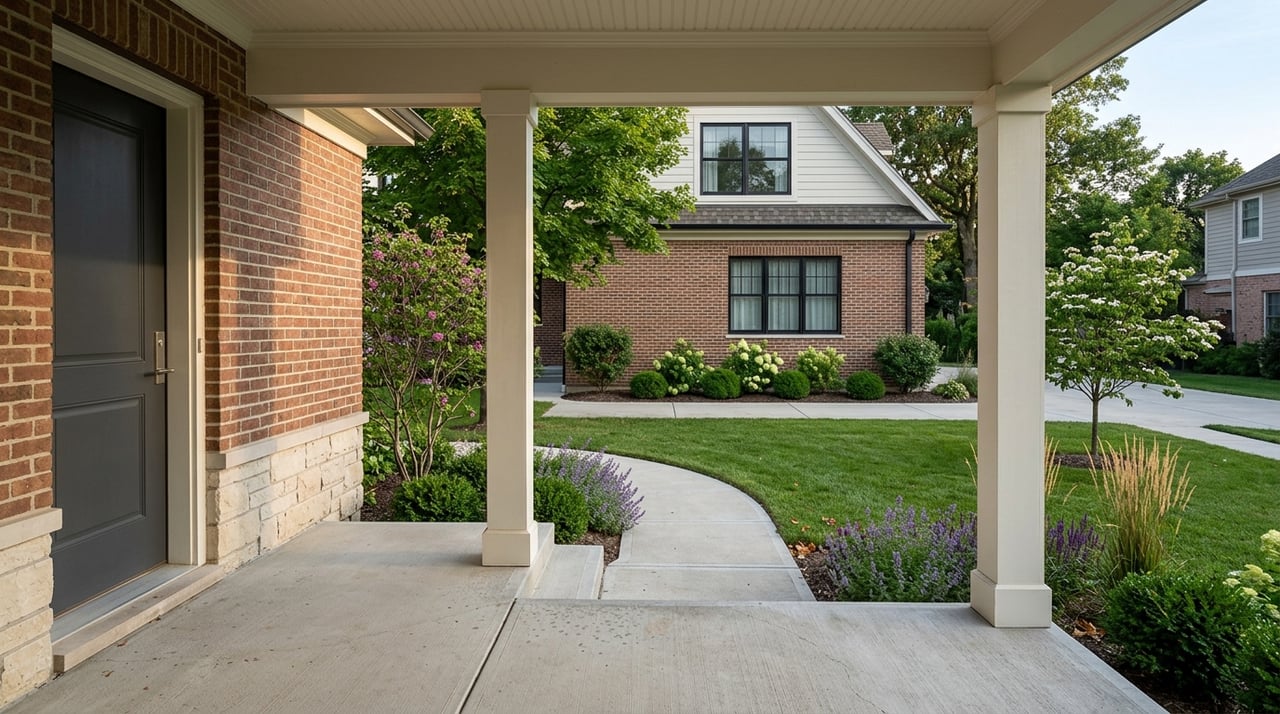
Kettering Or Nearby Suburbs? How To Choose Your Search Area
July 2, 2026
July 2, 2026
If you are torn between Kettering and the nearby suburbs, you are not alone. Many south Dayton buyers start with a general area in mind, then realize each suburb offers a very different mix of homes, commute patterns, and day-to-day convenience. The good news is that you do not need to guess. Once you know what matters most to you, your search area becomes much easier to narrow down. Let’s dive in.
Before you compare neighborhoods street by street, step back and decide what you want your location to do for you. In this part of the Dayton area, the biggest differences usually come down to three things: home style and age, commute convenience, and daily-life amenities.
If you want the broadest housing mix, Kettering is often the starting point. If commute access drives your search, Beavercreek may rise to the top. If you want a strong balance of shopping, parks, and established neighborhoods, Centerville stands out. If you prefer a smaller and more residential setting, Bellbrook may feel like the right fit.
Kettering works well as a reference point because it sits close to Dayton and offers a wide range of housing types. The city reports 57,862 residents and 27,602 housing units, along with a mix of condos, patio homes, ranches, cape cods, townhouses, two-stories, and even a high-rise.
That kind of variety is helpful when you are still figuring out what home style fits your budget and lifestyle. Kettering also has many established neighborhoods, and the city’s planning work reflects an aging housing stock. For buyers, that usually means mature areas with a lot of character and a broader resale mix rather than a newer subdivision pattern.
Kettering also offers strong convenience. The city highlights 16 major shopping areas, access to two regional malls, and close proximity to downtown Dayton. If you want a central south Dayton base where errands, recreation, and commuting feel manageable, Kettering gives you a strong middle-ground option.
Kettering is best known for housing variety. You can find multiple home types within the same city, which gives you more flexibility if your needs change during the search.
This can be especially helpful for first-time buyers and move-up buyers alike. You may be able to compare smaller homes, attached options, and larger updated properties without leaving the same community.
Beavercreek has a more outwardly suburban feel and a housing mix that leans heavily toward single-family homes. A recent city housing analysis found that 74.1% of the housing stock is single-family detached, 21.8% is single-family attached, and 4.1% is multifamily.
That pattern can appeal to buyers who want a more traditional suburban layout. The city also describes itself as a fast-growing community with housing that ranges from custom-built homes to older neighborhoods.
Centerville offers a more established and historically layered feel. The city says most neighborhoods were built between 1959 and 1979, and 52% of homes are more than 44 years old.
That age profile matters if you like mature neighborhoods and want a suburb that is actively reinvesting in its housing stock. Centerville is using a residential improvement pilot to support modernization and reinvestment in older neighborhoods, which reinforces its position as a settled suburb rather than a new-build market.
Bellbrook is the smallest of the four communities in this comparison. Its planning documents describe single-family owner-occupied homes as the predominant housing pattern, with multifamily land limited to a few pockets.
If you want a more residential search area with fewer large-scale housing choices, Bellbrook may be worth a closer look. Its identity leans quieter and more local, with a historic downtown core and a strong emphasis on preserving its residential character.
Your drive time can shape your daily routine just as much as the house itself. That is why commute convenience should be part of your search area decision from the beginning.
Beavercreek has the clearest commute advantage for buyers tied to Wright-Patterson Air Force Base, Wright State University, or east-side research and retail employers. The city notes direct expressway access via U.S. 35 and the edge access provided by I-675.
For military households, defense-connected jobs, or university-related work, that convenience can be a major deciding factor. If your week is built around that side of the region, Beavercreek often makes practical sense.
Kettering sits in a useful middle position. It is about five miles south of Dayton, offers access to shopping and employment, and does not feel as spread out as some larger suburban areas.
That can be appealing if you want a location that keeps multiple parts of the metro within reach. Buyers who want flexibility in where they work, shop, or spend free time often appreciate that central feel.
Centerville is about six miles south of Dayton and is especially strong if you want to handle a lot of daily errands within your own suburb. The city reports five major shopping centers, more than 500 retail outlets, plus many dining and entertainment options.
If convenience is a major lifestyle goal, Centerville deserves serious attention. It offers a developed suburban setting where many everyday needs can be met close to home.
Bellbrook offers a different trade-off. The city emphasizes small businesses, local commerce, and preservation of residential neighborhoods, rather than a large retail footprint.
In practical terms, that may mean driving farther for a wider range of shopping and services. For some buyers, that is well worth it in exchange for a quieter and more residential setting.
A search area is not just about square footage or price. It is also about how you want your everyday life to feel once you move in.
Kettering stands out for trail access. The city says more than 340 miles of paved trail connect ten counties surrounding Kettering, and local routes include the Dayton-Kettering Connector and the Iron Horse Trail.
If biking, running, or easy outdoor access matters to you, that is a real advantage. It adds another layer of convenience beyond the home itself.
Beavercreek has a large park system with 24 parks, 16 playgrounds, and 434 acres of parkland. The city also highlights Creekside Trail, a 15-mile paved multi-use path that passes through the community.
That makes Beavercreek a strong option if recreation is part of your weekly routine. Its parks and trails support a very active suburban lifestyle.
Centerville blends established neighborhoods with strong public amenities. The Centerville-Washington Park District preserves more than 1,000 acres across 50 parks, and the city highlights places like Stubbs Park and Cornerstone Park.
This mix can be attractive if you want parks, public spaces, and a strong civic identity all in one suburb. Centerville feels especially well-rounded in that sense.
Bellbrook also has a meaningful park presence. The Bellbrook-Sugarcreek Park District manages 14 developed parks and multiple conserved open spaces totaling about 703.5 acres.
For a smaller community, that is a strong amenity base. Buyers who want outdoor access paired with a quieter small-town profile may find Bellbrook especially appealing.
If you are stuck between Kettering and nearby suburbs, try ranking these three factors in order: home style and age, commute convenience, and daily-life amenities. Once you know which one matters most, the right area usually becomes clearer.
Choose Kettering if you want the widest housing mix, mature neighborhoods, strong trail access, and a central location. Choose Beavercreek if commute access to Wright-Patt, Wright State, or east-side employers is your top concern and you prefer a traditional suburban housing pattern.
Choose Centerville if you want an established suburb with a historic core, active reinvestment, shopping, and parks all close by. Choose Bellbrook if you prefer a smaller, mostly residential community with a quieter pace and a more local feel.
The right answer is not about picking the "best" suburb. It is about choosing the area that supports your routine, your housing goals, and the way you want to live day to day.
If you want help narrowing your options in Kettering, Beavercreek, Centerville, or Bellbrook, Amber Lynn Dunn can help you compare communities, weigh trade-offs, and build a search plan that fits your move.
Stay up to date on the latest real estate trends.
Get assistance in determining current property value, crafting a competitive offer, writing and negotiating a contract, and much more. Contact Amber today to discuss all your real estate needs!