Dayton Or The Suburbs? Finding Your Best Lifestyle Match
May 21, 2026
May 21, 2026
If you are trying to choose between Dayton and the suburbs, you are not just picking a home. You are picking a daily rhythm. Some buyers want restaurants, events, and recreation close at hand, while others want a more neighborhood-centered routine with parks, trails, and shopping a short drive away. This guide will help you compare the lifestyle, housing costs, and day-to-day convenience of Dayton, Kettering, Beavercreek, Centerville, and Fairborn so you can make a decision that fits your life. Let’s dive in.
In the Dayton area, this decision is usually less about city versus suburb as a label and more about how you want your days to feel. Downtown Dayton is the region’s clearest urban option, with a compact mix of dining, nightlife, arts, events, local shops, and recreation. City planning documents also describe Greater Downtown as walkable, bike-friendly, and transit-oriented.
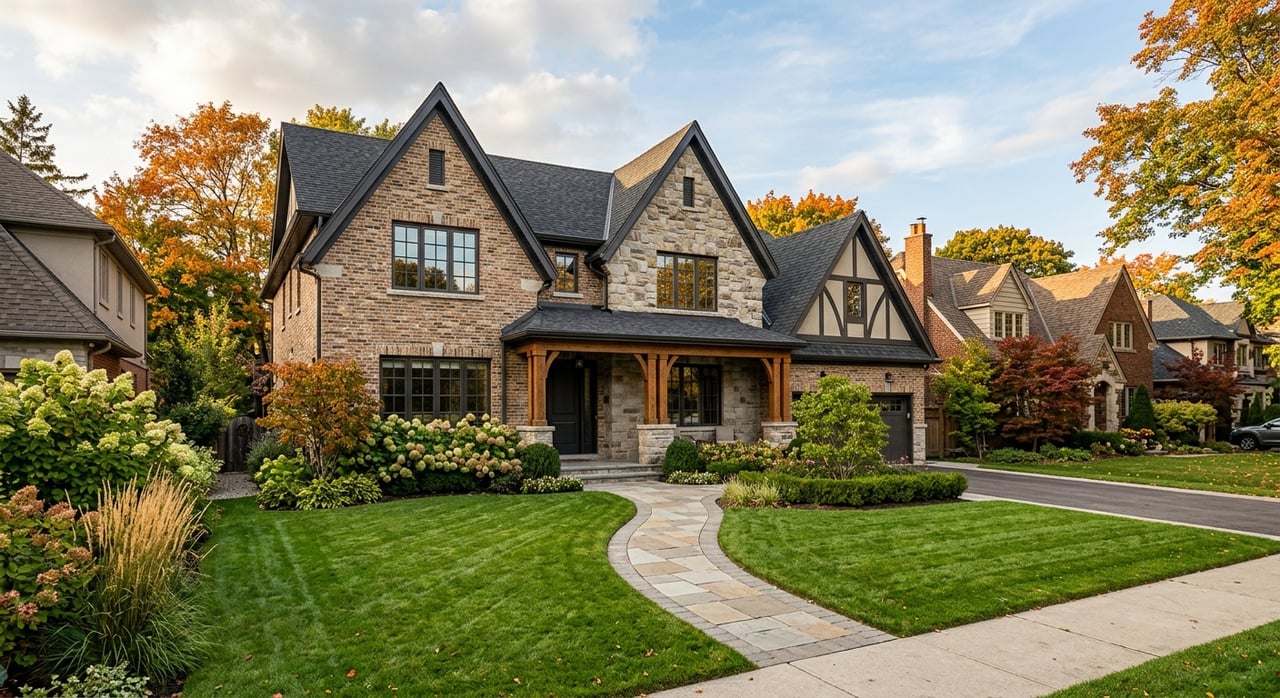
The nearby suburbs offer a different kind of appeal. Instead of one dense downtown core, communities like Kettering, Beavercreek, Centerville, and Fairborn are shaped more by neighborhoods, parks, trails, shopping centers, and community facilities. If your ideal routine involves short drives between errands, work, and recreation, that setup may feel more natural.
Dayton tends to fit buyers and renters who want the strongest urban feel in this comparison. Downtown is framed around experiences within a compact area, including dining, nightlife, arts, events, shops, and active recreation. The city also points residents toward Five Rivers MetroParks and the Great Miami Riverway as major lifestyle assets.
This can be especially appealing if you want more to do close to home. If you like the idea of walking to dinner, spending time at events downtown, or being near a more active core, Dayton offers that kind of energy more clearly than the suburban options in this group.
Dayton may also make sense if you are relocating and want flexibility first. The local data show a lower owner-occupied rate and a larger rental presence than the suburban cities in this comparison. That can be helpful if you want to rent first, learn the area, and buy once your routine becomes clearer.
The suburbs around Dayton tend to offer a more neighborhood-focused pace. You may trade some downtown-style walkability for access to parks, trails, shopping centers, and community spaces that support a quieter, more spread-out routine. For many households, that feels easier for everyday life.
Kettering offers a middle-ground suburban lifestyle with parks, cultural arts, and Fraze Pavilion as notable amenities. It reads as an established inner-suburban option for buyers who want suburban structure without jumping to the highest price points in the area.
Beavercreek leans into classic suburban living with 24 parks and access to the Creekside Trail. It also connects well to the wider regional trail network, which gives outdoor-minded buyers another reason to consider it.
Centerville has a polished suburban identity built around historic Uptown, nearly 50 parks, hiking and biking trails, shopping centers, and a large retail base. If you want a traditional suburban setting with a wide range of local amenities, Centerville often stands out.
Fairborn is the more value-oriented suburban choice in this comparison. It offers a suburban setting while staying more approachable on price than Beavercreek or Centerville, which can make it attractive if your budget matters as much as location.
Housing is often where the biggest differences show up. Dayton has the lowest median owner value in this group at $100,600, with median gross rent at $918 and an owner-occupied rate of 48.4%. That points to a more budget-flexible market with a stronger rental presence.
Kettering sits in the middle with a median owner value of $208,500, median rent of $1,051, and a 64.9% owner-occupied rate. It can be a practical option if you want a suburban setting without reaching the higher pricing found in Beavercreek or Centerville.
Beavercreek and Centerville are the highest-priced suburban options in this comparison. Beavercreek has a median owner value of $279,600 and median rent of $1,457, while Centerville comes in at $287,200 and $1,270. Both also have stronger owner-occupied profiles, which can appeal to buyers looking for a longer-term home base.
Fairborn lands below those two at a median owner value of $175,000 and median rent of $977. If you want suburban living with a more manageable entry point, Fairborn may be worth a close look.
One of the most surprising parts of this comparison is how similar commute times are. Average commute times are 20.3 minutes in Dayton, 20.3 in Kettering, 19.8 in Beavercreek, 20.4 in Centerville, and 21.2 in Fairborn. In other words, you should not assume the suburbs automatically mean a much longer commute.
The region overall is still very car-oriented. Most workers drive alone, while only small shares commute by transit, walking, or bicycling. That means your real lifestyle fit often comes down to where you need to go every day, not just whether an address is in Dayton or a suburb.
Downtown Dayton is the main exception. If being able to walk to restaurants, entertainment, and some daily activities matters to you, downtown offers the clearest version of that lifestyle locally. In the suburbs, daily mobility is more likely to involve short drives between destinations, even when parks and trails are nearby.
The right choice becomes clearer when you think about your routine instead of just the map. Ask yourself where you want convenience to show up in your life. Do you want it in the form of walkable dining and events, or in the form of nearby parks, neighborhood streets, and easy parking?
Here are a few practical ways to think it through:
If you are moving to the Dayton area from out of town, this decision can feel even bigger. It is easy to overfocus on city versus suburb and miss the practical question of how your work, errands, recreation, and social life will actually line up.
That is especially true for military and relocation households balancing timing, commute needs, and uncertainty. In many cases, a rental-first move in Dayton or a lower-cost suburb can help you test your routine before you commit to a purchase. For other buyers, jumping straight into a long-term suburban home makes sense because their work location and lifestyle priorities are already clear.
A good plan starts with the basics:
The goal is not to find the “best” city. It is to find the best match for how you want to live.
If you are weighing Dayton against nearby suburbs, the most helpful next step is to talk through your budget, commute, and lifestyle priorities with someone who knows how local moves and relocations really work. Amber Lynn Dunn can help you narrow your options and build a plan that feels clear, practical, and personal.
Stay up to date on the latest real estate trends.
Get assistance in determining current property value, crafting a competitive offer, writing and negotiating a contract, and much more. Contact Amber today to discuss all your real estate needs!