Everyday Living In Centerville: Parks, Dining, And Commutes
April 16, 2026
April 16, 2026
If you are trying to picture daily life in Centerville, the big question is simple: what does a normal week actually feel like here? For many buyers and relocating households, that answer matters just as much as price or square footage. Centerville stands out for its strong park access, practical commute patterns, and mix of local dining and shopping that can make everyday routines feel easier. Let’s dive in.
Centerville is a suburb in southern Montgomery County, about six miles south of Dayton, according to the City of Centerville. The latest Census Bureau QuickFacts estimate puts the city at 26,311 residents as of July 2024, within 10.97 square miles.
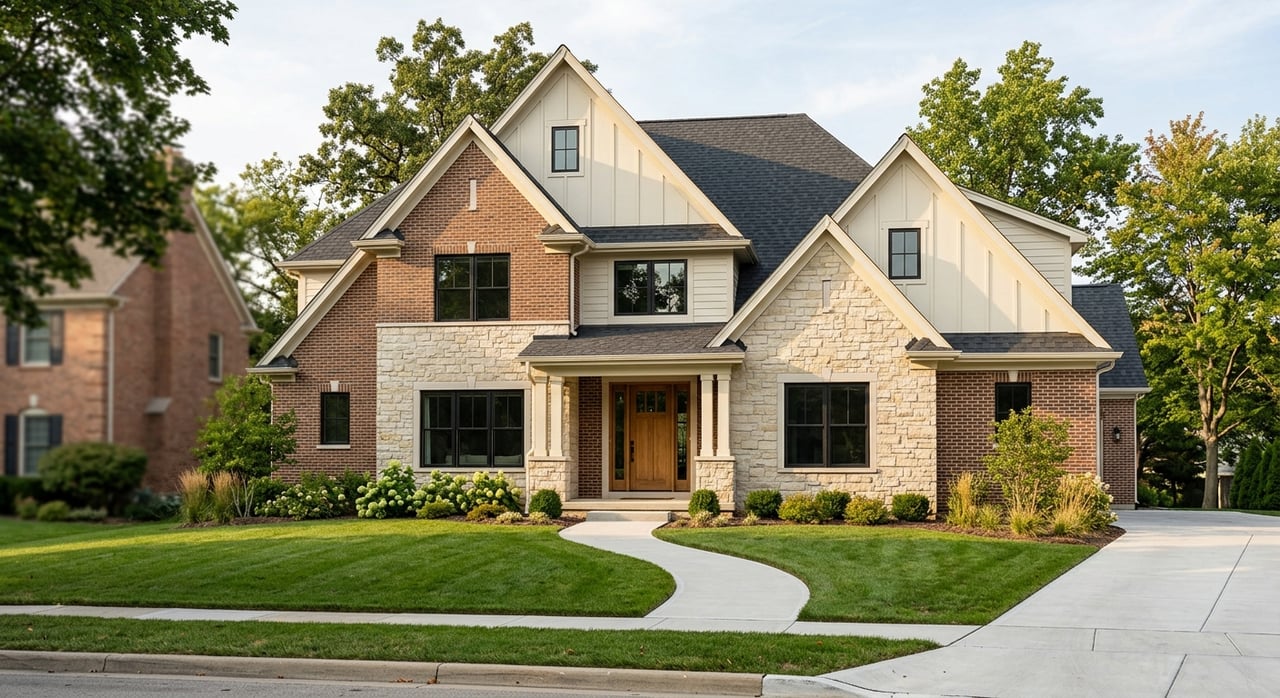
That gives Centerville a compact suburban feel. It is established rather than sprawling, and the housing mix includes both long-standing single-family neighborhoods and some newer multifamily or age-targeted options. Census data also shows a 67.0% owner-occupied housing rate, which supports the sense of a stable residential community.
For many buyers, the appeal is balance. You get a suburban setting with local parks, a historic business district, and major shopping close by, without giving up access to Dayton and other nearby employment centers.
One of the clearest lifestyle advantages in Centerville is how easy it is to get outside. The Centerville-Washington Park District operates 51 parks across more than 1,000 acres and says there are parks within walking distance of every home in the community.
That matters in real life. It means a quick playground stop, a paved evening walk, or a weekend trail outing can feel like part of your normal routine instead of a special trip across town. The park system also includes a sprayground, dog park, skatepark, archery range, sports fields, hiking trails, and nature preserves.
If you want easy options for movement and play, several parks stand out. Activity Center Park includes an all-access playground, a sprayground, six pickleball courts, and a paved half-mile loop.
For households that like to walk, bike, or push a stroller on paved paths, Iron Horse Park offers a trail that runs from I-675 through the park to Hempstead Station Road in Kettering. Holes Creek Park adds a 1.3-mile paved multi-use trail with bridge crossings and connections to the Yankee Trace trail system.
Not every outdoor plan needs to be a workout. Grant Park’s accessible storybook trail gives younger children an easy trail option, while Rosewood Park includes a fishing pond, sled hill, hiking trails, and open space.
For community events and casual gatherings, Stubbs Park plays a different role. The city has emphasized amphitheater and plaza improvements there, which helps reinforce it as a central spot for community life.
A lot of suburbs have convenient shopping. Fewer have a distinct historic core that feels like a place you might actually return to for dinner, dessert, or an evening out. In Centerville, that role belongs to Uptown Centerville.
The city describes Uptown as the heart of Centerville, with nearly 100 businesses, brick sidewalks, and limestone architecture. That gives the district a traditional main-street feel that is different from a typical strip-center experience.
For everyday living, this gives you variety. You can handle errands in larger retail areas, but you also have a recognizable local district for dining and gathering.
The city highlights restaurants and businesses such as Manna, Agave & Rye, Whit’s Frozen Custard, The Brunch Pub, Meridien, and Beckel’s Humidor in Uptown. That mix helps show the district’s role in daily life.
It is not just a historic backdrop. It is an active place where people meet for brunch, grab dessert, or spend time on patios and sidewalks.
Another detail that shapes the feel of the area is Uptown’s 16.4-acre Designated Outdoor Refreshment Area, which operates seven days a week from 11:00 a.m. to 10:00 p.m. According to the city’s Uptown information, that supports a more social, walkable environment rather than a quick drive-in, drive-out pattern.
Centerville’s appeal is not limited to its historic center. The city says it has five major shopping centers and more than 500 retail outlets, giving you a broader range of day-to-day conveniences.
A key example is Cornerstone of Centerville, which the city describes as a 200-acre mixed-use development anchored by Costco, Kroger, and Cabela’s, along with restaurants such as Cheddar’s, Bagger Dave’s, Cooper’s Hawk, and Outback Steakhouse. In practical terms, that means you can pair local charm in Uptown with easier access to larger-scale shopping and dining when you need it.
For buyers comparing suburbs, that combination can be helpful. Centerville offers both the feel of a local district and the convenience of a regional retail hub.
For most households, Centerville functions as a driving suburb. Data USA reports that 76.6% of workers drove alone to work in 2024, while 17.1% worked at home and 3.53% carpooled.
The average commute time was 20.4 minutes, which is relatively manageable by metro-area standards. Households averaged two cars, which also fits the pattern of a suburb where driving is still central to daily life.
This is useful if you are relocating and trying to picture your routine. Centerville is not trying to be car-free, but it also does not suggest unusually long daily travel times for most workers.
Even in a car-first community, local infrastructure still matters. The city’s transportation page notes that Greater Dayton RTA provides more than 11 million passenger trips per year, operates 21 hours a day, and serves all of Montgomery County with 31 routes.
Centerville is also working on long-term connectivity through its Thoroughfare and Connectivity Plan. The city says it already maintains more than 100 miles of roadway and 80 miles of sidewalk, with planning focused on improving connections to parks, neighborhoods, Uptown, and other key destinations.
That does not change the overall suburban commute pattern, but it does support easier local movement over time. For buyers who value sidewalks, trails, and connected daily destinations, that is worth noting.
If you work from home full time or split your week between home and the office, Centerville checks several practical boxes. Census QuickFacts reports that 98.0% of households have a computer and 94.5% have a broadband subscription.
Those numbers support the idea that Centerville is well set up for hybrid routines. Add in the local parks, nearby dining, and relatively short commute patterns, and the area can work well for households that want flexibility during the week.
The best way to describe Centerville is balanced. You have a strong park system that supports regular outdoor time, a historic Uptown district with recognizable local dining, and larger retail options nearby for errands and bulk shopping.
You also have an established housing base with some variety in home types, plus commute patterns that are still suburban but generally manageable. For early-stage buyers, move-up households, and people relocating to the Dayton area, that mix can make Centerville easier to picture as a place to settle into real daily life.
If you are considering a move and want help comparing Centerville with other Dayton-area suburbs, Amber Lynn Dunn can help you think through commute patterns, lifestyle fit, and the kind of home that matches your next chapter.
Stay up to date on the latest real estate trends.
Get assistance in determining current property value, crafting a competitive offer, writing and negotiating a contract, and much more. Contact Amber today to discuss all your real estate needs!